Winston Churchill was born on November 30, 1874, at Blenheim palace in England. Randolph Churchill, his father, was English. Jennie Jerome Churchill, his mother, was American.
Winston's parents loved him, but they did not spend much time as he was growing up. His father worked hard as a political leader. His mother was busy with her intense social life. At home, young Winston was raised mostly by Mrs. Anne Everest, his beloved nanny.
When he was 7 years old, Winston went away to boarding school. He saw his family only on school vacations. Winston liked to learn, but he didn't like school. Math was especially hard for him. However, he did like books. Treasure Island was one of his favorites. This exciting book inspired him to read more challenging books.
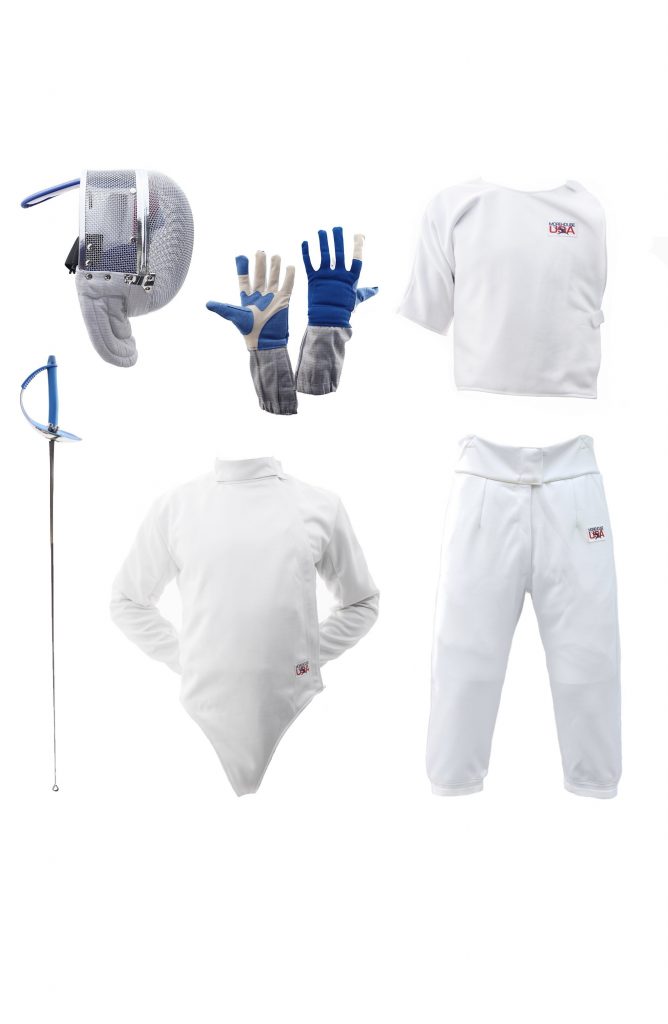
Winston went to Harrow, a famous school in England, when he was 13 years old. He struggled with schoolwork, but his English teacher, Mr. Somervell, did teach him to write well. And he excelled in the sport of fencing.
As a young boy, Winston also enjoyed playing with his toy soldiers. He arranged them in battle formation and fought imaginary wars. Winston's military interest continued into his teenage years, so he went to the Royal Military college in Sandhurst, England.
Winston graduated from Sandhurst with honors and became a cavalry officer. But, He wanted more action in his life, which he found as a journalist. There was a war going on in Cuba, and Winston went there to write articles about it for a London newspaper. On his 21st birthday, a bullet almost hit Winston while he was eating! That was Winston's first taste of war.
Winston was very busy for the next 20 years. He fought in India, Egypt, and South Africa. He was captured by enemies and escaped. He wrote books and newspaper articles. He made speeches. He was elected to Parliament. He got married and had children. He became the first lord of the admiralty and was responsible for improving the British navy. He took flying lessons. He began painting pictures.
During world War I (1914-1918), Winston served in the British government, but he also led troops fighting in France. After the war, Winston worked both in and out of the Government, and he continued Speaking, Writing, and painting.
As the years went by, Winston became worried about the stronghold Adolf Hitler, the dictator of Germany, was gaining in Europe. Winston worked hard to increase the number of airplanes and ships that Britain had. He firmly believed that Germany had to be stopped from invading and taking over other countries. In 1939, World War II broke out. Winston became prime minister of England in 1940. He had been chosen to lead Britain in the war against Germany.
Winston used his skill with words to inspire his nation. In one speech, he said, "I have nothing to offer but blood, toil, tears, and sweat" to protect Britain from Germany. Winston's goal was to rally Britain "to wage war, by sea, land and air, with all our might."
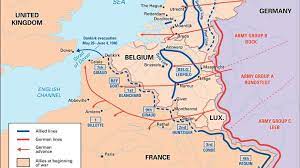
The road to victory in World War II was long and hard. Germany conquered most of Europe, leaving Britain to stand alone and face a German invasion. Brave British pilots defended their country from the air during the battle of Britain. British citizens lived through long nights of German bombing, called Blitz.
To rally his country, Winston said, "What is our aim? I can answer in one word: Victory! Victory at all costs, victory in spite of all terror, victory however long and hard the road may be." He worked hard to get arms and supplies from other countries. He made plans to win the War. He traveled to meet other leaders.
In 1941, the United States entered the war. Winston was even busier now, helping to direct a war being fought around the world against Germany, Italy, and Japan. Slowly, Britain and her allies began to win the war. Italy was defeated in 1943. Germany fell in 1945. Japan surrendered in 1945, too. When peace with Germany was announced, Winston told his grateful nation, "This is your victory." But without Winston's unique blend of wit, wisdom, energy, and determination, Britain and her allies might not have won the war.
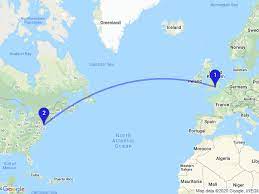
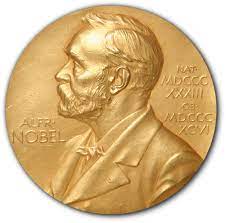
Winston served his nation and the world for many years after the end of World War II. He spoke out against the dangers of communism. He wrote a history about World War II. In 1951, he became prime minister again. In 1953, he was knighted by Queen Elizabeth II and became Sir Winston Churchill. He won the Nobel Prize in literature for his books and his speeches. He worked individual freedoms and defend human rights. In 1963, President Kennedy made Winston an honorary citizen of the United States. He was the first person ever to receive this honor.